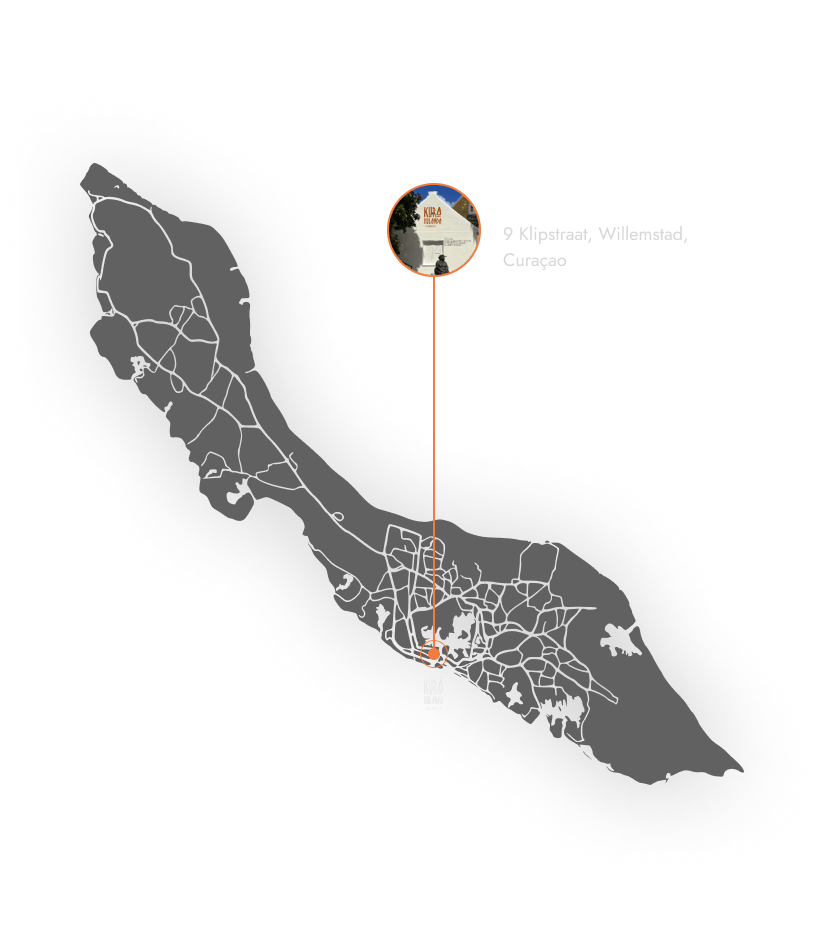
The Kurá Hulanda Museum, nestled in the historic Otrobanda district of Willemstad, Curaçao, stands as a powerful testament to the island’s and the region’s past forged through colonialism and built by the enslaved.
Opened in 1998, the museum was the vision of Dutch businessman and philanthropist Jacob Gelt Dekker (dec 2019), who set out to create a place that remembers and honors the legacy of those impacted by the Transatlantic slave trade. The museum complex, spread across 6 restored historical buildings (which was once part of a merchant’s home), offers visitors a profound journey through the history of the Afro-Caribbean experience.
From its beginnings, the museum has not only been a site of preservation but also a place of reflection and reconciliation. We provide a space for both locals and international visitors to examine stories and hold conversations about our human experiences, critical for healing and the development of multi-cultural societies in which we live today.
Our Mission
At Kurá Hulanda, our mission is to create a space to stimulate dialogue, understanding, empowerment and healing through the story of the Afro-Curaçaon community.
Our Vision
Our vision is to serve as a global platform for social justice, actively supporting, enabling, and amplifying the powerful work done by poets, activists, musicians, businesses, and other organizations committed to championing meaningful change.
Our Impact
5000
Artifacts
From African, Caribbean, and Antillean cultures, making it one of the most comprehensive collections in the Caribbean.
30
Collaborations
With artists, historians, and local communities to promote cultural and artistic engagement.
5000
Students
Engage with the museum each year, enhancing their understanding of history and cultural identity.
15
Historical buildings
Restored, preserving important architectural and cultural heritage.
100
Visitors annually
With an estimated 95% being international tourists, offering global perspectives on Curaçao’s history.
Our Goals
Bridging History and the Future
Kurá Hulanda Museum is more than just a repository of historical artifacts. It is a living, breathing platform that fosters ongoing cultural conversations, community involvement, and scholarly research. Looking back, we can move forward, using real stories to inspire change in the fight for justice.
01.
Education & Awareness
We aim to provide both locals and international visitors with a deeper awareness and understanding of the stories and human impact of the transatlantic slave trade, heritage, and the socio-political challenges that continue to shape Curacao and the broader Caribbean community as a result of slavery and colonial rule. Our guided tours, exhibits and educational programs encourage critical thinking and deep reflection.
02.
Cultural Collaboration
We aspire to be a hub for cultural exchange. Our platform invites artists—whether through spoken word, music, film, or photography—to collaborate on special projects that bring history and modern-day expression together.
03.
Social Justice & Reconciliation
As part of our long-term vision, Kurá Hulanda serves as a beacon in the global fight against inequality, promoting social justice through education and empowerment.
04.
Community Engagement
Focusing on local involvement, our goal is to continuously engage the Curaçaoan community, ensuring the museum remains a relevant and inclusive space for all.
05.
Growth & Innovation
As we look to the future, we plan to integrate more interactive technology like 3D walkthroughs and virtual exhibits, expanding access to those unable to visit in person.
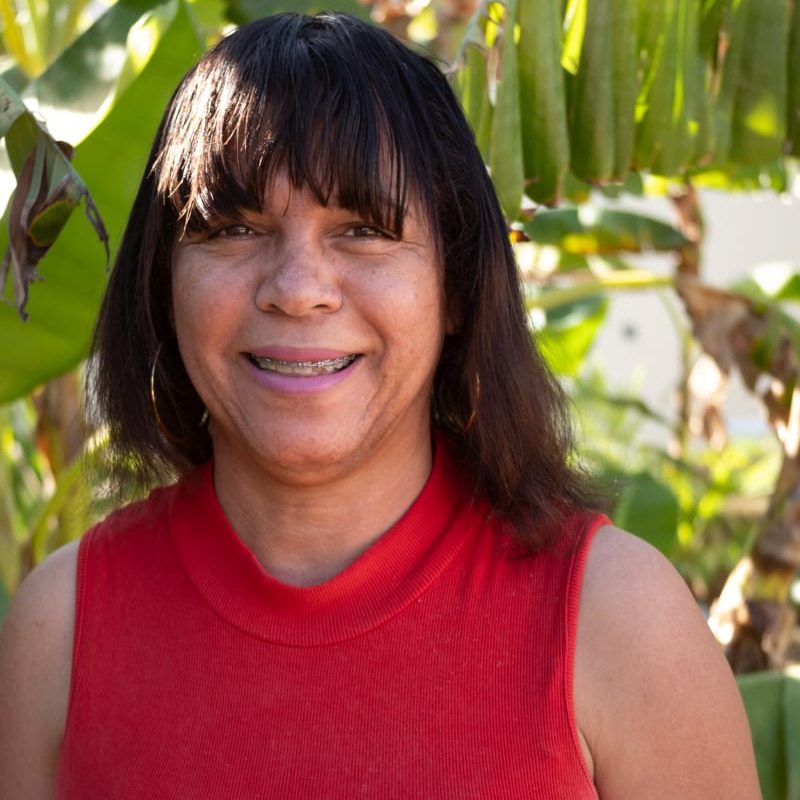
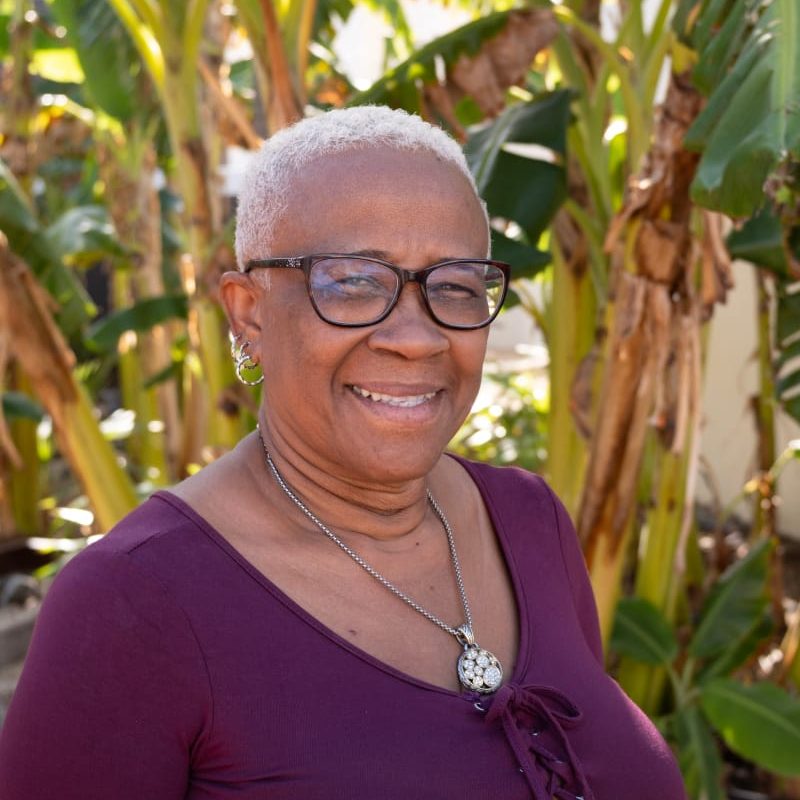
Meet the team
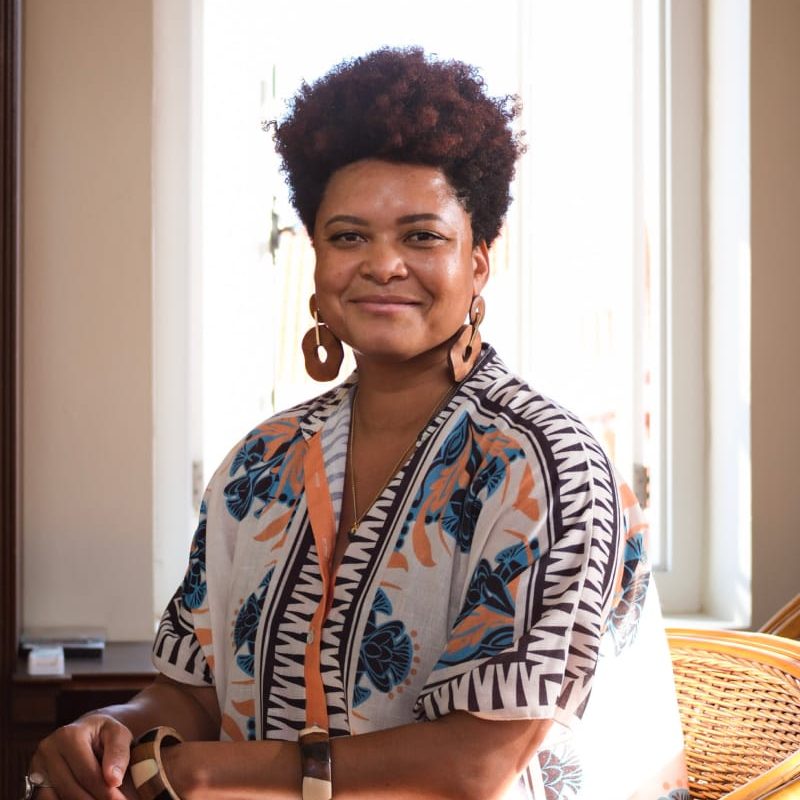
Jenieve Langdon
Jenieve Langdon has been the director at Kurá Hulanda Museum since 2023. She previously worked in the ICT industry and is very grateful for the opportunity to be a student of the Museum.
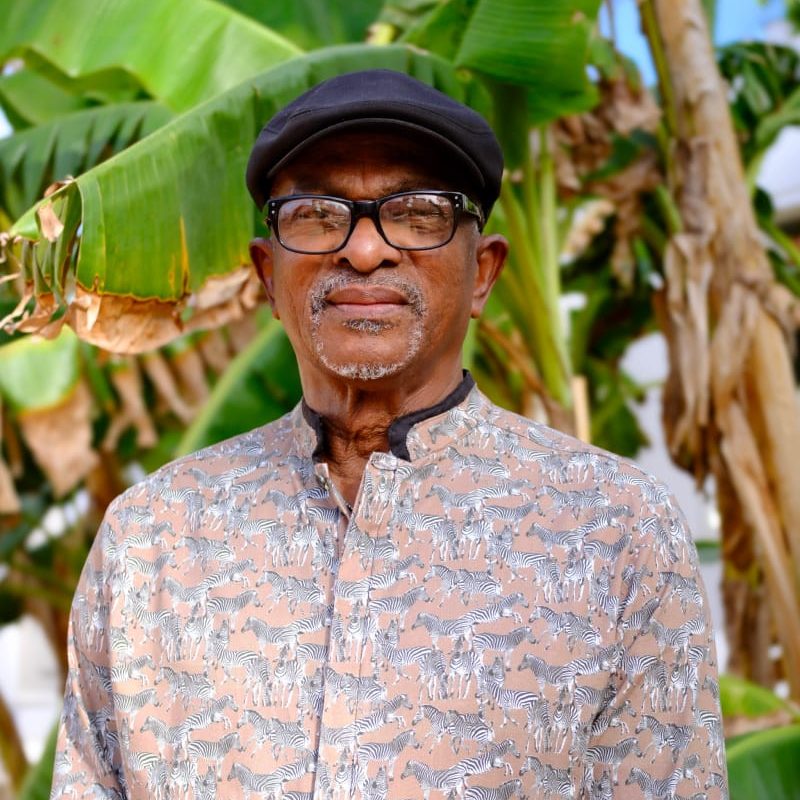
Max Elstak
Max Elstak is a noted historian and researcher in Curaçao. A ‘semi-retired’ teacher who continues to generously share his knowledge as an advisor to the board of Kurá Hulanda Museum.
Fatima Leonicia
Fatima Leonicia is the cool and steady co-ordinator at the Museum, working with the team, visitors and management to ensure our operations are optimal for the best experience of our guests.
Mirla Jeandor
Mirla Jeandor is one of the friendly faces that greet you upon your arrival at Kurá Hulanda Museum. She has been with the Museum for over 15 years and is quite knowledgeable about the history of the Museum itself.
There are several friendly and knowledgeable guides who bring the history of the Curaçao people to life in their guided tours through the Museum. They offer the service in Papiamentu, Dutch, Spanish and English
Step into history at Kurá Hulanda Museum, located in the heart of Willemstad. Explore powerful exhibits on the Transatlantic Slave Trade, African heritage, and Curaçao’s colonial past.